
Wilderness Medicine Patient Assessment: What It Is and Why It’s Important
Spending time outdoors, whether for work or recreation, always carries some degree of risk. Even with careful planning and preparation, things can go wrong. Basic medical training can make a critical difference, turning a scary situation into a manageable one and, at times, saving a life. Picture yourself 8 miles into a day hike and imagine how overwhelming it would be to have to deal with an injury like a broken wrist, a medical concern such as chest pain or nausea, or an environmental hazard like hypothermia! Yikes! That is a lot of stress if someone in your group is counting on you. So what can you do? We strongly recommend you take a Wilderness First Aid or Wilderness First Responder class, thoroughly learn the Patient Assessment system, and practice, practice, practice.
So what is the Patient Assessment? It is the most important thing you will learn in a Wilderness Medicine class. Between cell phones, handheld radios, and satellite messaging devices, we live in an age of real-time two-way communication in even some of the most remote places on earth. So, the most important thing you can do when faced with a problem is provide a complete and thorough Patient Assessment. That way, you’ll know that you and the patient are safe. You'll find and address any life-threatening injuries. And you'll discover more information that will help determine what is wrong with the patient.
Every Wilderness Medicine training company, including Backcountry Medical Training, teaches students a version of Patient Assessment. It’s a simple, step-by-step approach that helps you spot and handle problems and know when it’s time to call in extra help. By just working through the list one item at a time, it takes a lot of stress off your plate. No need to be a walking medical textbook or guess what’s wrong. The Patient Assessment takes the pressure off. Just follow the steps and trust the process!
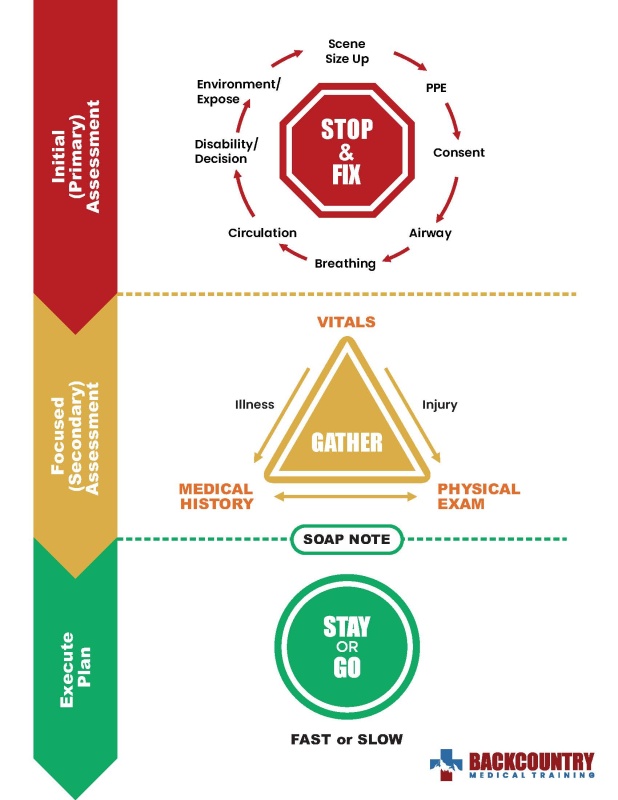
At Backcountry Medical Training, we teach patient assessment as a "traffic light" with three distinct phases represented by red, yellow, and green lights.
Initial (Primary) Assessment: STOP & FIX
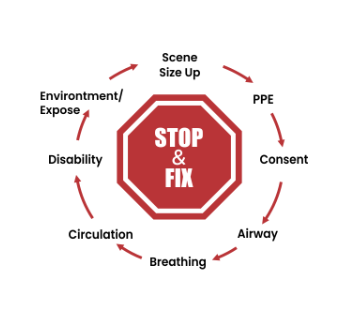
Red: STOP & FIX. This is the Initial or Primary Assessment, the first thing you do when faced with an emergency. It’s all about assessing the situation and the patient for immediate life threats. A complete primary assessment may take as little as sixty seconds, or if there are problems, you may never leave this part of the patient assessment. We’ll go into more detail in a future post, but for now, here’s a quick look at the steps:
· Scene Size Up
· PPE (Personal Protective Equipment)
· Consent
· Airway
· Breathing
· Circulation
· Disability/Decision
· Environment/Expose
Focused (Secondary) Assessment: GATHER
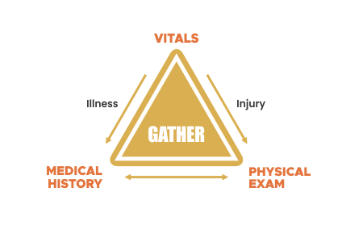
Yellow: GATHER. This step is the Focused, or Secondary Assessment. Slow down and gather information from the patient by asking questions and performing an exam. This step of the Patient Assessment is known as a Focused, or Secondary Assessment. What information will you gather?
· Vitals (such as Level of Responsiveness, Heart Rate, and Respiratory Rate)
· Medical History (SAMPLE questions: Symptoms, Allergies, Medications, Past Medical History, Last Input and Output, Events)
· Physical Exam
STAY or GO?
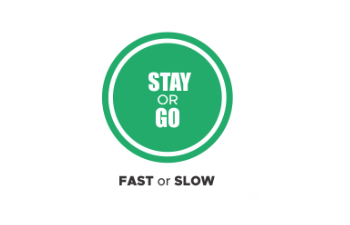
Green: STAY OR GO? Once you’ve addressed immediate life threats and gathered the necessary information, you’ll use it to create a Treatment Plan. From there, you’ll move forward with care and decide whether evacuation is needed. Your options during this stage are:
· Stay (and play!)
· Go Fast (medical care needed ASAP)
· Go Slow (medical care needed, but time allows the patient to self-evacuate)
The Patient Assessment Traffic Light is a great tool for remembering what to do in an emergency. It's also very similar to the process used by EMTs and higher-level providers as well.
This is the first blog post in a series. Now that you understand the traffic light design of the Backcountry Medical Training Patient Assessment model (Stop and Fix, Gather, Stay or Go), click here to do a deeper dive into the Stop and Fix phase, also called the Initial (Primary) Assessment.
Published