
Benadryl for your First Aid Kit?
By Clara M., an Advanced EMT currently working on wildland fire assignments, an AMGA Apprentice Rock and Alpine Guide, and an active member of a mountain search and rescue team. Read more about Clara and the rest of our team on the Instructor Bio page.
A Recap of Wilderness Medical Society’s Farewell Letter to Benadryl
In 2025, the Wilderness Medical Society (WMS) updated its recommendations on the use of Benadryl. Having been the mainstay antihistamine for more than 50 years, this is a big deal!
WMS now suggests it may be time to reconsider Benadryl’s routine use, citing its undesirable side effects and the availability of newer, better-tolerated alternatives. After all, who hasn’t taken Benadryl only to feel overwhelmingly drowsy soon after?
But this raises an important question: if we move away from Benadryl, how can we treat allergic reactions?
What is Benadryl?

Benadryl is the most widely recognized brand name for diphenhydramine, a first-generation H1 antihistamine. It first entered the market nearly 80 years ago and was approved as a prescription medication in 1946. Benadryl was made available over the counter in 1982, and for decades, it has been a go-to medication for allergic reactions. Beyond allergies, it has also been used to treat hay fever, motion sickness, nausea and vomiting, certain neurologic conditions that cause movement disturbances, and even as a short-term sleep aid due to its sedating effects.
I’ve used it myself. During a bout of food poisoning while serving as a helicopter crew member on a wildland fire assignment, I was sidelined by persistent vomiting. A dose of diphenhydramine helped settle my stomach enough to prevent significant dehydration, allowing me to recover and return to duty the following day once the illness had passed.
By comparison, second-generation antihistamines such as Claritin (loratadine) and Zyrtec (cetirizine) were developed roughly four decades later than Benadryl and were designed to provide similar allergy relief with fewer sedating side effects.
How does Benadryl work?
Benadryl is classified as an antihistamine medication and blocks histamine receptors throughout the body (histamine is a neurotransmitter that is released in response to an allergen exposure). When histamine binds to histamine receptors, it causes allergic reaction symptoms like itchiness, hives, and a stuffy and runny nose.
Think:
Cat allergy + exposure to cat dander -> histamine release -> allergy symptoms
OR
Peanut allergy + peanut butter sandwich -> histamine release -> allergy symptoms
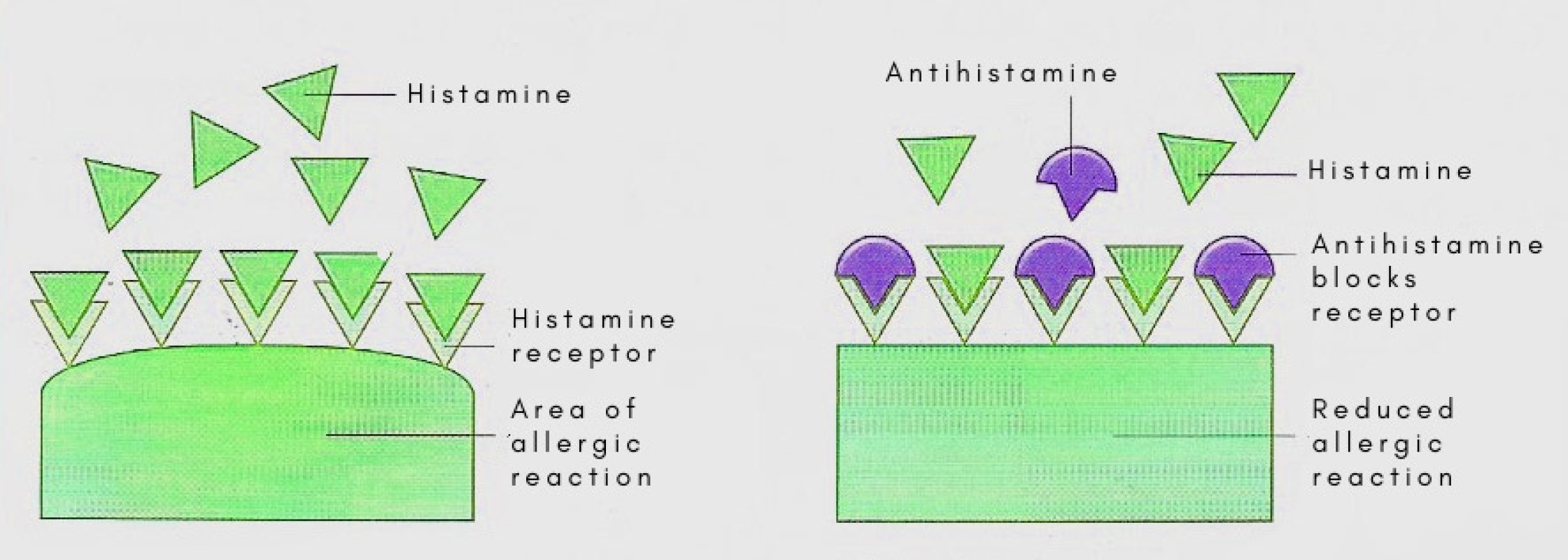
However, diphenhydramine is not a precise medication. It does more than just target specific histamine receptors that are causing allergic reactions. Diphenhydramine also blocks histamine receptors in the brain and acetylcholine receptors throughout our body’s nervous system. This widespread effect and lack of precision is what cause the medication’s undesired and potentially harmful side effects.
The Benadryl Nap
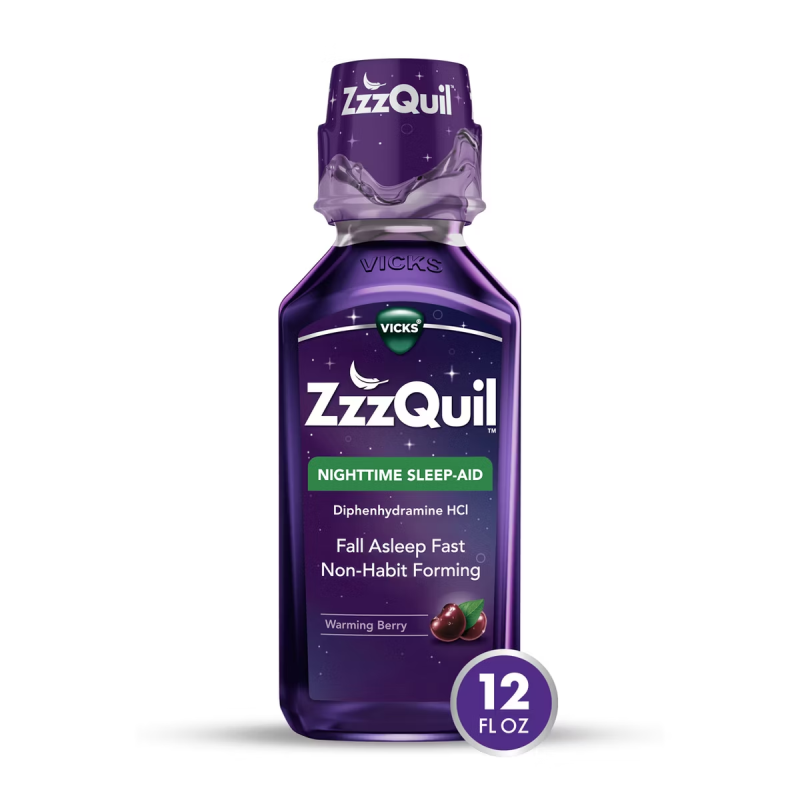
Blocking histamine receptors in the brain, specifically the hypothalamus (the brain's control center), causes sleepiness and drowsiness. This is a good thing, right? That’s why it is the active ingredient in sleep aids like ZzzQuil?
Not Recommended for Sleep
No! The American Academy of Sleep Medicine recommends against using diphenhydramine as a sleep aid because it worsens sleep quality and decreases the amount of REM sleep. It may help you fall asleep, but it will cause your sleep to be less restful and affect your wakefulness the following day. Has anyone ever felt hungover from taking Benadryl to help sleep? The medication can have a sedative effect for a long time after the therapeutic benefits have worn off.
A Powerful Sedative
The sedative effects of diphenhydramine are strong. In one case, a patient of mine who had been extremely anxious during an anaphylactic reaction, reporting difficulty breathing and requiring multiple doses of epinephrine, fell asleep within minutes of receiving intravenous diphenhydramine during ambulance transport.
Impairment and Safety Risks
Taking diphenhydramine and getting behind the wheel is like driving drunk. The sedative effect of the medication causes significant drowsiness and slowed reaction time. Pilots are restricted from flying for 60 hours after taking diphenhydramine. Alcohol and other drugs have a synergistic effect with diphenhydramine and can worsen these effects. In elderly folks, drowsiness and slowed reaction time are more pronounced. The medication increases the risk of falls and injuries in a population that is already vulnerable.
Wildland firefighters frequently encounter wasp nests on the fireline. In my role as an EMS provider on these incidents, I’m often asked to give Benadryl for stings even when there are no signs of an allergic reaction. There’s a common misconception that all bee or wasp stings require treatment, but antihistamines are only indicated when an allergic reaction is present: not everyone is allergic. Additionally, because of its sedating effects, anyone who takes Benadryl would need to be removed from the fireline, as it’s unsafe to continue operating tools or chainsaws, just as it would be unsafe to drive or fly.
Paradoxical Reactions
Interestingly, not everyone experiences sedation from diphenhydramine. Some, especially young children, may experience a paradoxical stimulant effect. Imagine giving ZzzQuil or another medication containing diphenhydramine to your child at bedtime, hoping to make them sleep and instead inducing hyperactivity!
Sleepytime Doesn’t Sound So Bad, So What Else is Going On?
Diphenhydramine also blocks acetylcholine, from binding to receptors in the brain and body. Diphenhydramine is classified as an anticholinergic medication (anti-acetylcholine). You've probably heard of “fight or flight”; the opposite of this is “rest and digest”. Acetylcholine triggers our body’s nervous system to enter this “rest and digest” mode. Therefore, diphenhydramine (an anticholinergic medication) prevents our body’s nervous system from going into this “rest and digest” mode. The normal “rest and digest” functions of our body, like digestion, urinary output, bowel movements, and salivation, are reduced.
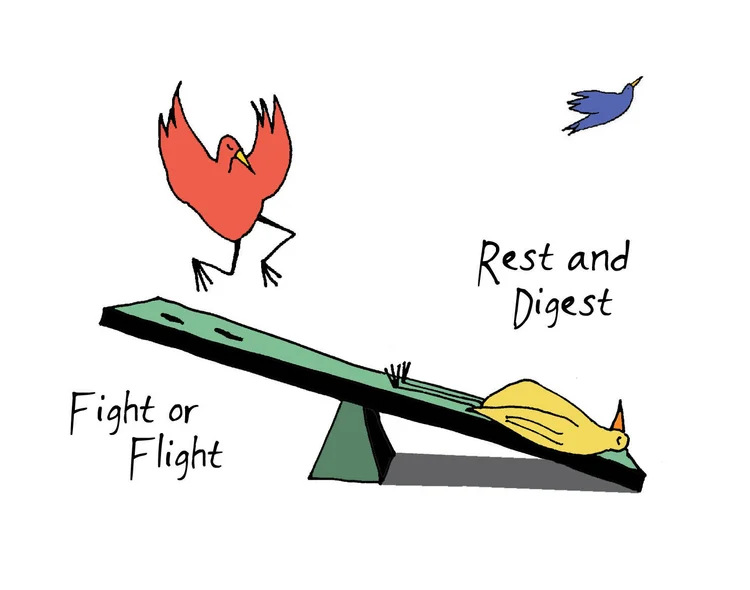
With our “rest and digest” functions blocked, common side effects of diphenhydramine can include:
- Dry mouth
- Dizziness
- Urinary retention
- Decreased bowel sounds
- Constipation
Additional side effects of diphenhydramine can include:
- Elevated heart rate
- Elevated body temperature
- Confusion
- Dilated pupils
In large doses, it can cause:
- Seizures
- Psychosis
- Low blood pressure
- Hallucinations
- Irregular heart rhythms
- Kidney failure
Because of its potentially life-threatening effects on the heart and brain, diphenhydramine is available only by prescription in some countries, while others place additional restrictions on its use in young children.
The Benadryl Challenge
Many of these serious side effects are most commonly seen with high doses of diphenhydramine, such as during the “Benadryl Challenge” that circulated among children and teens in 2020 and resurfaced in 2023. This TikTok trend encouraged participants to take 300 mg or more in a single dose in an attempt to experience a high and hallucinations - amounts that are roughly 6–12 times the typical over-the-counter dose of 25–50 mg.
During these periods, the FDA’s Adverse Event Reporting System documented an increase in diphenhydramine-related adverse events. The videos promoting the challenge were eventually removed from the platform following reports of hospitalizations and deaths.
If over-the-counter medications are misused, Poison Control provides confidential, non-punitive medical guidance at 1-800-222-1222 or online.
Another Side Effect: Increased Risk of Dementia
Acetylcholine is also an important neurotransmitter for brain function, learning, and memory. Low levels of acetylcholine are associated with Alzheimer’s disease, and medications that increase levels of acetylcholine are used to treat Alzheimer’s. Inhibition of acetylcholine by anticholinergic medications like diphenhydramine can cause memory problems, reasoning issues, and confusion. Prolonged use of diphenhydramine may contribute to dementia risk.
Why These Symptoms Matter More in the Wilderness
Excessive sleepiness, drowsiness, confusion, and impaired balance can make evacuation from the field difficult and potentially dangerous—especially in technical terrain or water environments. Diphenhydramine also has anticholinergic effects: it reduces sweating, promotes urinary retention, and increases the risk of heat illness. Older adults are already more vulnerable to heat-related illness, and this medication can further elevate that risk.
A Misunderstanding: Benadryl and Severe Allergic Reactions
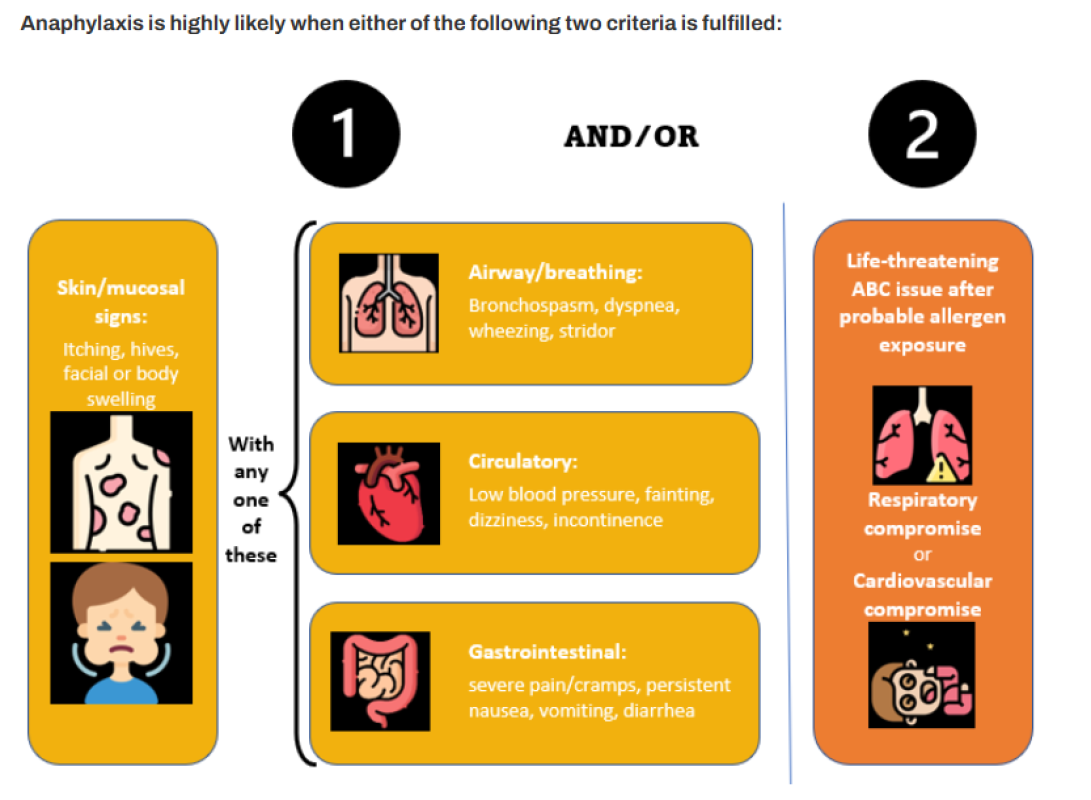
Anaphylaxis is a severe, life-threatening allergic reaction that occurs after exposure to a known or suspected allergen. Symptoms may include:
- Difficulty breathing
- Low blood pressure
- Itching
- Hives
- Swelling of the face, lips, or tongue
- Severe gastrointestinal symptoms, including nausea, vomiting, diarrhea, or abdominal pain
Benadryl (diphenhydramine) does not treat anaphylaxis. The only first-line treatment for anaphylaxis is epinephrine, the medication found in an EpiPen. Epinephrine - synthetic adrenaline, a hormone your body naturally produces - activates the body's "fight-or-flight" response to rapidly reverse the life-threatening effects of anaphylaxis.
Diphenhydramine may be used only as a supplemental treatment after epinephrine has been administered. It can help relieve mild allergy symptoms, such as itching, hives, or a runny nose, but it does not treat airway swelling, breathing problems, or low blood pressure. If anaphylaxis is suspected, administer epinephrine immediately and seek emergency medical care.
We Can Do Better
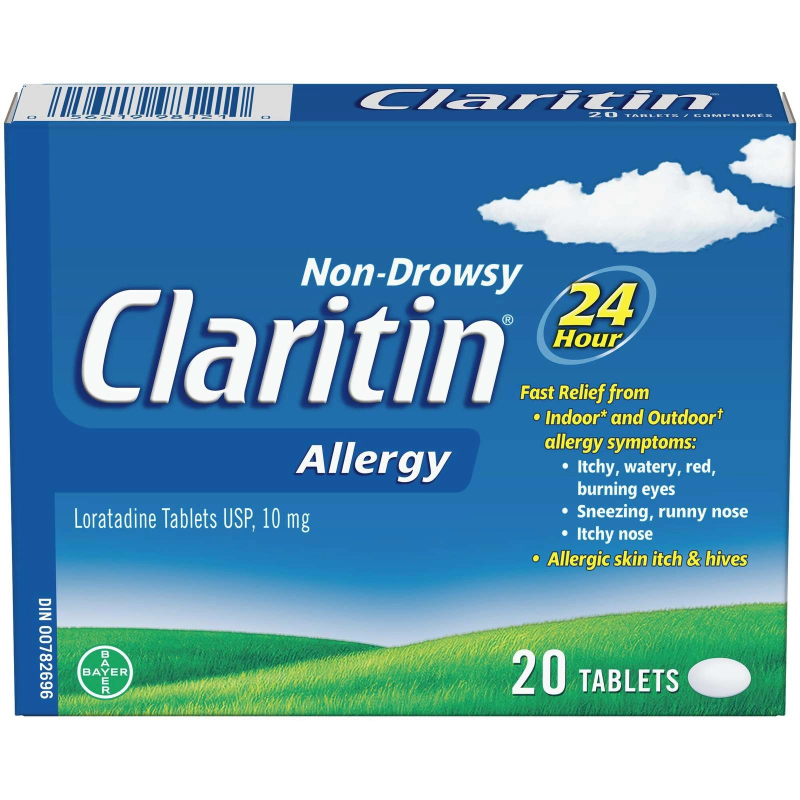
Second generation antihistamines like Claritin (Loratadine) and Zyrtec (Cetirizine) affect certain histamine receptors more specifically and therefore have fewer associated side effects.
Cetirizine starts working slightly faster (20-60 minutes) than diphenhydramine (30-60 minutes) when taken orally, but with much longer-lasting therapeutic effects (24 hours versus 4-6 hours). It has fewer side effects and less sedation, and performs just as well in reducing symptoms of allergic reactions. Cetirizine is a few cents more expensive per pill, but the duration is longer. Newer third-generation antihistamines are even more precise and therefore have even fewer side effects.
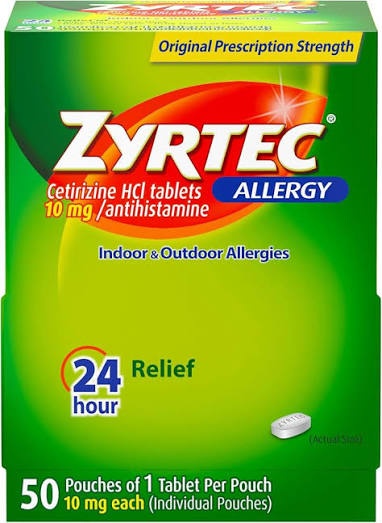
Washington State EMS protocols now include cetirizine and diphenhydramine as possible medications to treat allergic reactions. National Park Service protocols, an agency operating primarily in wilderness medicine environments, last updated in 2025, still list diphenhydramine as the only antihistamine.
As with many updates to medical practice, implementation can take time. EMS agencies often face challenges such as limited funding, staffing shortages, regulatory requirements, and complex organizational structures, all of which can slow the adoption of new clinical guidelines.
At Backcountry Medical Training, we have the flexibility to update our curriculum as new evidence emerges. That's why we've adopted the Wilderness Medical Society's latest recommendations and are moving away from Benadryl as a primary medication in our wilderness medicine courses.
Published